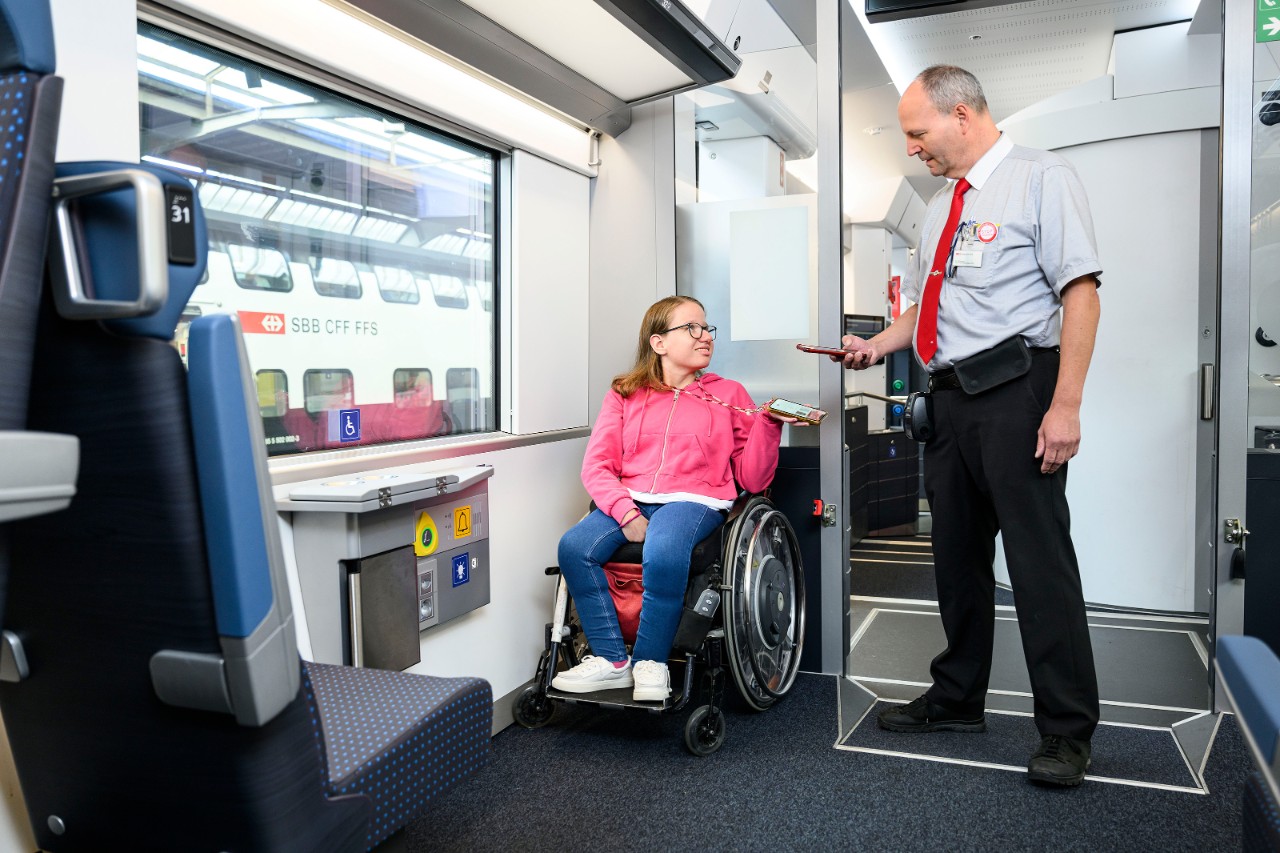
Understanding Disability Transport Services
Definition and Importance
Disability transport services are specialized transportation solutions designed to accommodate individuals with physical, sensory, or cognitive disabilities. These services are crucial for fostering independence and inclusivity, enabling people with disabilities to access essential services, employment, education, and recreational activities. Accessible transport ensures that everyone, regardless of their abilities, can navigate their communities with dignity and ease.
Types of Available Services
Disability transport services encompass a range of options tailored to the needs of individuals. Common types include:
- Paratransit Services: These are typically shared-ride services that provide curb-to-curb or door-to-door transportation. They are usually pre-scheduled and may require advance reservations.
- Non-Emergency Medical Transportation (NEMT): This service is crucial for individuals who require transport to medical appointments but do not need emergency services. It often includes wheelchair-accessible vehicles.
- Accessible Public Transit: Many cities have public transportation systems equipped with accessibility features such as low-floor buses, auditory announcements, and designated seating for individuals with disabilities.
- Personalized Ride Shares: Some ride-sharing companies offer options specifically designed for individuals requiring special accommodations, such as wheelchair-accessible vehicles.
Who Can Benefit?
A diverse group of people can benefit from disability transport services, including:
- Individuals with Mobility Challenges: Those who use wheelchairs, walkers, or have difficulty walking can greatly benefit from accessible transport options.
- The Elderly: Older adults who may face mobility impairments often find it challenging to navigate traditional public transport.
- Individuals with Cognitive Disabilities: Support services can make rides safer by providing trained drivers who understand the needs of passengers with cognitive impairments.
- Caregivers and Family Members: Transport services can ease the burden on caregivers, allowing them to focus more on support rather than logistics.
Planning Your Transport Needs
Assessing Individual Requirements
To effectively utilize disability transport services, it's essential to evaluate individual needs thoroughly. Considerations should include:
- Mobility Level: Assess whether a person can independently enter and exit vehicles, or if they require additional assistance.
- Types of Transportation Needed: Identify the most suitable transport types, such as regular trips for health care, social activities, and employment.
- Frequency and Scheduling: Establish how often transport is necessary — daily, weekly, or monthly — and any preferred time slots.
- Special Requirements: Determine if specific vehicle adaptations or services, like a trained driver, are necessary.
Finding Local Disability Transport Services
Finding the right disability transport services can initially feel overwhelming, but various resources can help simplify the search:
- Community Service Directories: Many local governments maintain directories of available disability transport services, aiding in easy comparison.
- Nonprofit Organizations: Organizations focusing on disability advocacy often offer services or listings for accessible transport.
- Online Platforms: Websites and apps designed for transport solutions usually aggregate different service providers in one place.
For comprehensive support, you can explore local options through disability transport services in your area.
Cost Considerations and Funding Options
The cost of disability transport services can vary significantly based on the type of service, distance, and additional needs. Here’s how to manage expenses effectively:
- Insurance Coverage: Check to see if insurance policies cover any transportation costs, particularly for medical appointments.
- Government Assistance: Local and federal programs may offer grants or subsidies specifically for transportation for individuals with disabilities.
- Sliding Scale Fees: Some service providers use a sliding scale for fees based on income, making services more affordable.
Accessibility Features of Transport Services
Vehicle Modifications for Disabilities
Accessibility in transport often relies on modifications that improve usability for individuals with disabilities. Key modifications include:
- Ramp and Lift Systems: Essential for individuals using wheelchairs, they provide easier access to vehicles.
- Adapted Seating: Specialized modifications can ensure comfort for passengers with limited mobility or additional space for caregivers.
- Securement Systems: Proper securement belts and wheelchair tie-downs enhance safety during travel.
Training for Drivers in Handling Disabilities
Having well-trained drivers is vital for ensuring a safe and pleasant experience for passengers. Essential training includes:
- Awareness Training: Educating drivers about different types of disabilities and how to assist effectively.
- Emergency Protocols: Training should include responses to emergencies, ensuring drivers know how to maintain safety under pressure.
- Cultural Sensitivity Training: Drivers should understand diversity and adapt their communication styles to meet passengers' varying needs.
Safety Standards to Consider
When utilizing disability transport services, safety is paramount. Consider these standards:
- Vehicle Maintenance: Regular inspection and maintenance of vehicles ensure reliability and safety.
- Driver Background Checks: Companies should conduct thorough background checks on drivers to promote passenger safety.
- Emergency Equipment: Availability of first-aid kits, fire extinguishers, and accessibility tools should be standard in all transportation services.
Leveraging Technology for Effective Transport
Mobile Apps for Booking Disability Transport Services
Technology plays a crucial role in streamlining the process of booking and managing disability transport services. Mobile applications can offer:
- Ease of Use: Simple interfaces allow users to easily book rides, check vehicle availability, and get real-time updates.
- Customization Options: Apps can allow users to set preferences related to vehicle types or special accommodations.
- Feedback Mechanisms: Users can leave reviews and ratings, enhancing accountability for service providers.
Tracking Services and Communication Tools
Real-time tracking has become an essential feature in modern disability transport services. Key benefits include:
- Improved Reliability: Passengers can track the location of their rides in real-time, reducing uncertainty and wait times.
- Proactive Alerts: Services can notify users of any delays or changes, allowing ample time to adjust plans.
- Communication Options: Effective communication tools facilitate interaction between drivers and passengers, enhancing the travel experience.
Feedback Systems for Continuous Improvement
Feedback is vital for ensuring transport services meet the needs of individuals with disabilities. Implementation involves:
- Surveys and Questionnaires: Providing avenues for customers to share their experiences can identify areas for improvement.
- Focus Groups: Engaging users in discussions can provide deeper insights into their transport experiences and requirements.
- Regular Reporting: Analyzing feedback trends allows service providers to understand user needs and refine services accordingly.
FAQs on Disability Transport Services
Common Questions Answered
1. What is the primary purpose of disability transport services? They provide safe and accessible transportation for individuals with disabilities to enhance mobility and independence.
2. Are these services available everywhere? Availability can vary by region. It's best to check local directories for specific options.
3. How can I determine which service fits my needs? Assess personal requirements regarding mobility, frequency of travel, and specific accessibility needs.
4. Is there financial assistance for using these services? Yes! Various governmental and nonprofit programs may offer financial support or subsidies.
5. How do I ensure a safe travel experience? Look for companies with good safety records, trained drivers, and well-maintained vehicles.