Benefits of Soft Building Blocks for Child Development
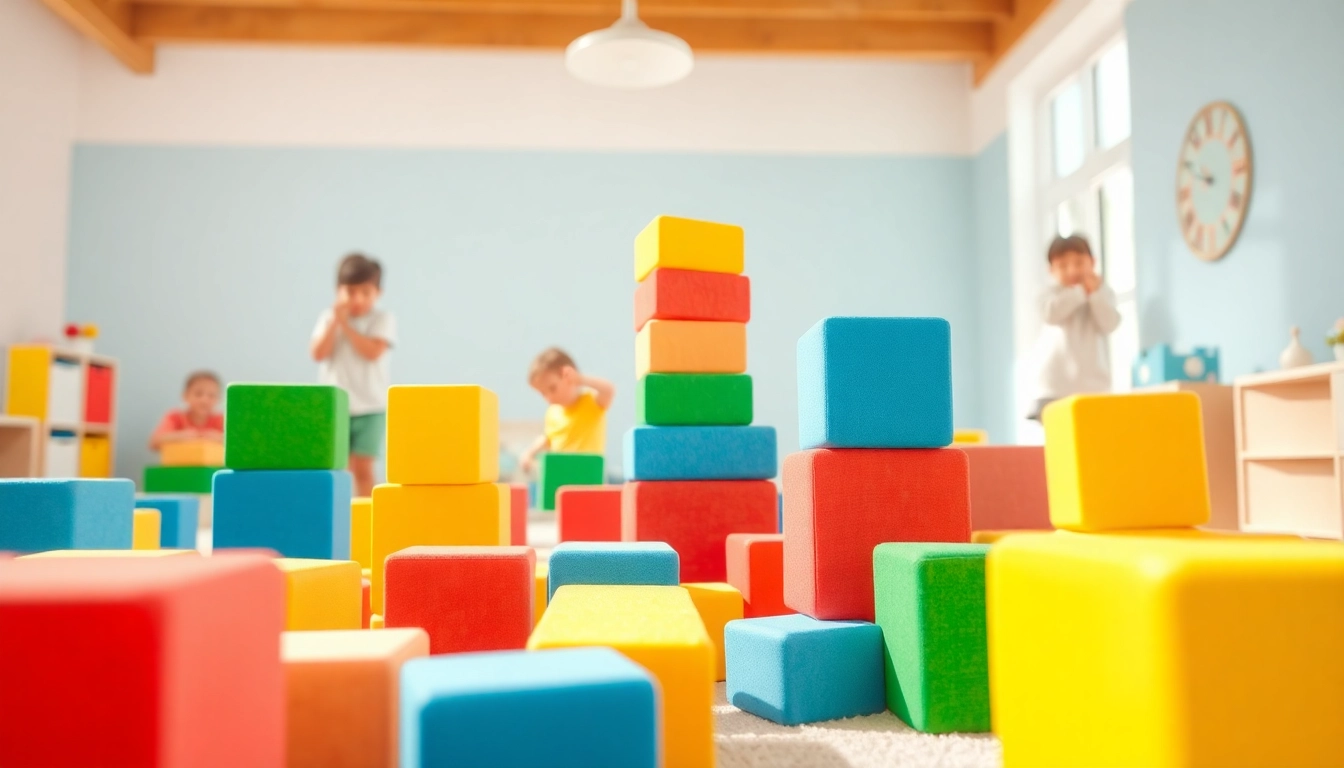
Soft building blocks are not just toys; they are essential tools that contribute to various aspects of child development. These tactile and colorful materials encourage active engagement, creativity, and cognitive skills which are fundamental during early childhood. In this article, we will delve into the multifaceted benefits of soft building blocks and how they can significantly enhance your child's developmental journey. To explore more helpful resources, click here to learn more.
Physical Development
Engaging with soft building blocks promotes physical development in children by enhancing their motor skills. When children lift, stack, and balance blocks, they develop strength, coordination, and dexterity. These activities require a range of motions, including grasping, lifting, and manipulating objects, which are vital for fine motor skill development.
Additionally, playing with soft building blocks also aids gross motor development. Children must navigate their space, often moving around to gather blocks, setting the stage for improved spatial awareness and balance. Group play with these blocks encourages jumping, crawling, and even climbing, bringing in a fun element while fostering overall physical growth.
Cognitive Skills
Soft building blocks serve as an educational tool by fostering cognitive skills such as problem-solving, critical thinking, and creativity. When children experiment with various configurations, they learn about physics concepts, such as balance and gravity. By trying to build towers or bridges, they engage in trial-and-error processes that cultivate persistence and analytical thinking.
Moreover, color recognition and shape identification are naturally woven into playtime with soft building blocks. Children begin to understand patterns and categorize different colored blocks or various shapes, thereby enhancing their cognitive development further. As they construct and deconstruct structures, they also hone their ability to follow instructions or even create their unique designs.
Social Interaction
Soft building blocks provide a foundation for social interaction among children. When they work together to create structures or engage in constructive play, they learn vital social skills, including communication and collaboration. Sharing blocks, discussing ideas on how to build, and negotiating roles in play are all aspects of socialization that these toys encourage.
Such play scenarios foster friendships, enhance emotional intelligence, and cultivate empathy as children navigate through cooperative tasks, share successes, and troubleshoot challenges together. This interaction is particularly beneficial in group settings like preschool, where social skills development is crucial.
Choosing the Right Soft Building Blocks
Selecting the right set of soft building blocks is foundational in ensuring the most beneficial play experience for your child. With numerous options available, here are essential considerations to keep in mind.
Materials and Safety
When it comes to soft building blocks, safety must always be the top priority. Look for blocks made from high-quality, non-toxic, and BPA-free materials. Soft blocks should be designed adequately to withstand rough play while ensuring they don’t pose any choking hazards to younger children. Additionally, opt for blocks that have passed relevant safety standards and certifications.
Furthermore, the softness of the materials is crucial; it prevents injury during typical toddler tumbles, allowing kids to engage in play freely and safely. Foam-based blocks, for example, strike an excellent balance between durability and safety.
Size and Shape Variability
Access to a diverse range of sizes and shapes is vital for fostering creativity. Blocks that come in various dimensions—large, medium, and small—provide greater opportunities for imaginative construction. Different shapes, like squares, triangles, and cylinders, encourage children to think outside the box, bringing forth unique designs and architectural ideas.
Choosing a set with versatile shapes and sizes can challenge children to explore geometry and spatial relationships while keeping their play experience rich and captivating. A variety of sizes prevents monotony and keeps children engaged for longer periods.
Color and Textural Appeal
Colors play a significant role in attracting children to toys and enhancing engagement. Soft building blocks that incorporate bright, vibrant colors capture attention and stimulate visual development. Children are more likely to be drawn to and interested in playtime when they interact with visually appealing toys.
Texture also adds another layer of engagement. Blocks made with different textures promote sensory play, allowing children to explore tactile experiences while building. Combining colors, shapes, and textures contributes to a multisensory learning experience that enriches developmental outcomes.
Engaging Play Activities with Soft Building Blocks
Soft building blocks open the door to numerous engaging play activities that stimulate learning while having fun. Here are some creative ways to use these blocks during playtime.
Stacking Challenges
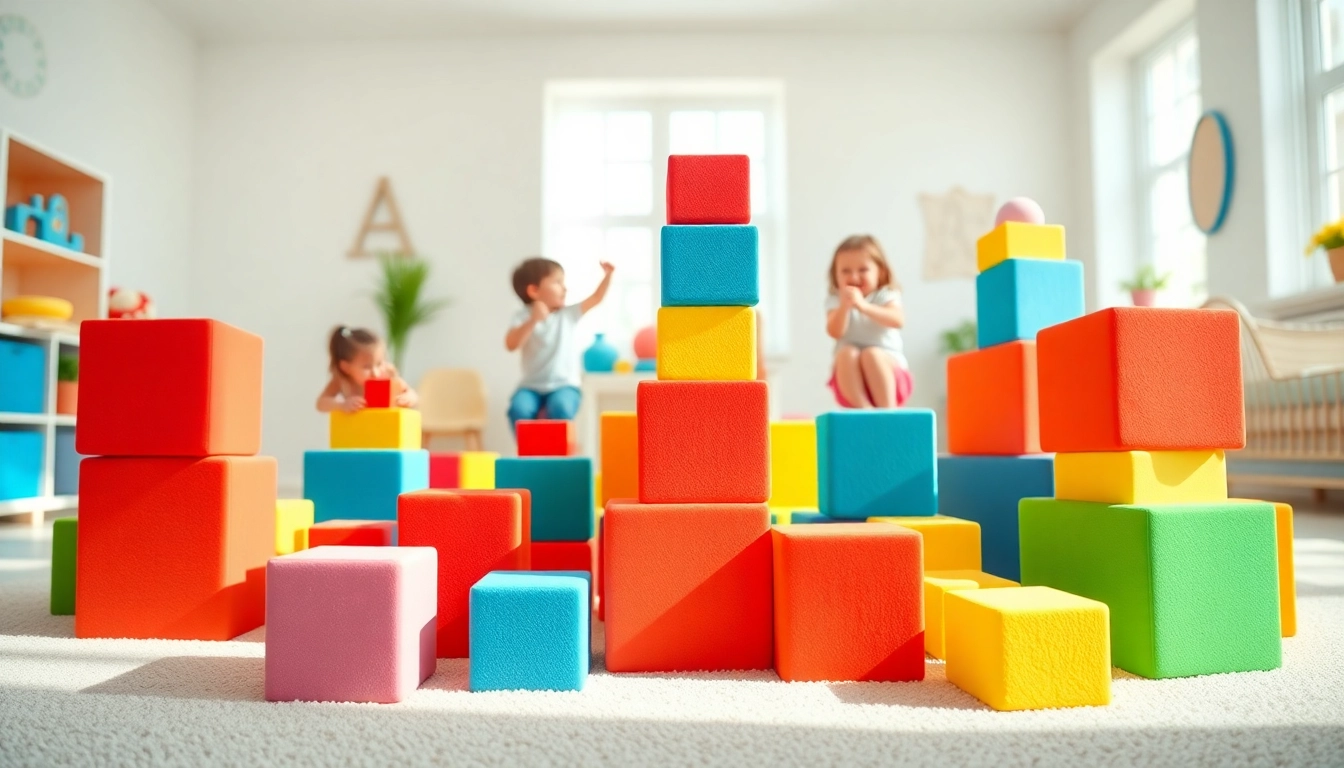
Stacking blocks is a classic activity that children naturally gravitate towards. You can challenge them to see how high they can build a tower without knocking it over. This not only promotes physical coordination but also teaches patience as they learn the principles of balance and stability. Parents can introduce rules, such as building with a specific number of blocks or colors, to further enhance the challenge.
Creating stacking challenges can turn into competitions, promoting healthy social dynamics. Children can take turns seeing who can build the tallest structure, thus enjoying both individual and cooperative play experiences. It's an excellent way to spark friendly interactions while developing critical thinking skills.
Creative Building Projects
Encourage your child to use their imagination by setting up creative building projects. You could prompt them to construct a specific object, such as a castle, a vehicle, or even a dream house. These guided projects promote creativity and help children think through the necessary components and materials. As they plan and execute their designs, they're also learning about cooperation and the importance of following a vision.
In addition, parents can suggest themes around which the building activity revolves. For instance, a ‘underwater adventure’ theme could inspire their construction ideas, leading to fascinating designs of marine life or underwater castles. This thematic approach fosters not only creativity but also boosts narrative skills as children explain their structures to others.
Imaginative Role Play
Soft building blocks can serve as backdrops for imaginative role-play scenarios. For instance, children can use their blocks to build restaurants, schools, or hospitals, allowing them to explore and understand different environments. This type of play fosters social skills, teamwork, and the ability to role-play complex situations which is essential for emotional development.
Incorporating props into their block structures can enhance these imaginative scenarios further. Using toy figures, small cars, or even puppets can bring their stories to life, making playtime more immersive and educational.
Maintenance and Care for Soft Building Blocks
Proper maintenance and care for soft building blocks are critical to prolonging their life and ensuring a safe play environment. Here’s how you can care for your child’s soft building blocks.
Cleaning Techniques
To keep soft building blocks clean, regularly inspect them for stains, dirt, or other debris. Most soft blocks can be wiped down with a damp cloth and mild soap. Always check the manufacturer’s guidelines for specific cleaning recommendations. In cases where blocks have developed odors, you can use a vinegar solution; simply spray it on and wipe them clean.
For deeper cleaning, especially if the blocks are machine washable, place them in a laundry bag and wash on a gentle cycle, ensuring they do not lose shape. Air drying is best to maintain the integrity of the blocks. Regular cleaning keeps the blocks hygienic, fostering a safe play environment for children.
Storage Solutions
Keeping soft building blocks organized not only helps maintain their condition but also makes playtime more accessible for children. Designate a specific storage area, such as a bin or basket, to keep the blocks contained. Transparent bins allow for easy visibility, so children can quickly pick out the blocks they want to use.
Labeling storage areas can also help young children learn responsibility and organization skills. Teaching children how to clean up after playtime, returning each block to its designated spot, reinforces good habits and makes them active participants in their play area management.
Replacement Considerations
Even with the best care, wear and tear on soft building blocks is inevitable. Regularly inspect blocks for signs of damage, such as tears or broken pieces. If any blocks are compromised, replace them immediately to uphold safety standards—continuing to use damaged blocks can pose risks for children during play.
Consider the frequency of play and overall durability of your blocks when making replacement decisions. Investing in high-quality blocks may initially cost more but could save money in the long run by requiring less frequent replacements.
Frequently Asked Questions About Soft Building Blocks
What age group is best for soft building blocks?
Soft building blocks are ideal for children ages 1 to 5 years, as they are safe and promote developmental skills appropriate for these ages.
Are soft building blocks safe for toddlers?
Yes, soft building blocks are typically made from non-toxic materials, making them safe for toddlers to play with under supervision.
How can soft building blocks inspire creativity?
These blocks offer limitless possibilities for construction, allowing children to express their creativity through building various structures and exploring imaginative play.
What are the cleaning instructions for soft building blocks?
Clean soft building blocks with a damp cloth and mild soap or machine wash them in a laundry bag for deeper cleaning; air dry afterward to maintain shape.
Can soft building blocks be used outdoors?
Yes, since many soft building blocks are made from durable, weather-resistant materials, they can be used outdoors, making outdoor play fun and safe.