Understanding the Attractiveness Test: A Comprehensive Overview
The quest for beauty and attractiveness has been a part of human culture throughout history. As people look to understand their own attractiveness, the advent of technology has led to the emergence of tools like the attractiveness test. But what exactly is this test? In this article, we’ll explore the ins and outs of attractiveness tests, their workings, and how they can provide insights into personal beauty standards.
What is the Attractiveness Test?
An attractiveness test is a structured tool designed to evaluate the physical appeal of an individual, often using advanced algorithms and AI technology. By analyzing various facial features, these tests aim to provide a score that reflects perceived attractiveness. The tests utilize different metrics such as symmetry, proportion, and other facial attributes to generate an attractiveness score, allowing users to understand how they may be viewed by others.
How Does the Test Work?
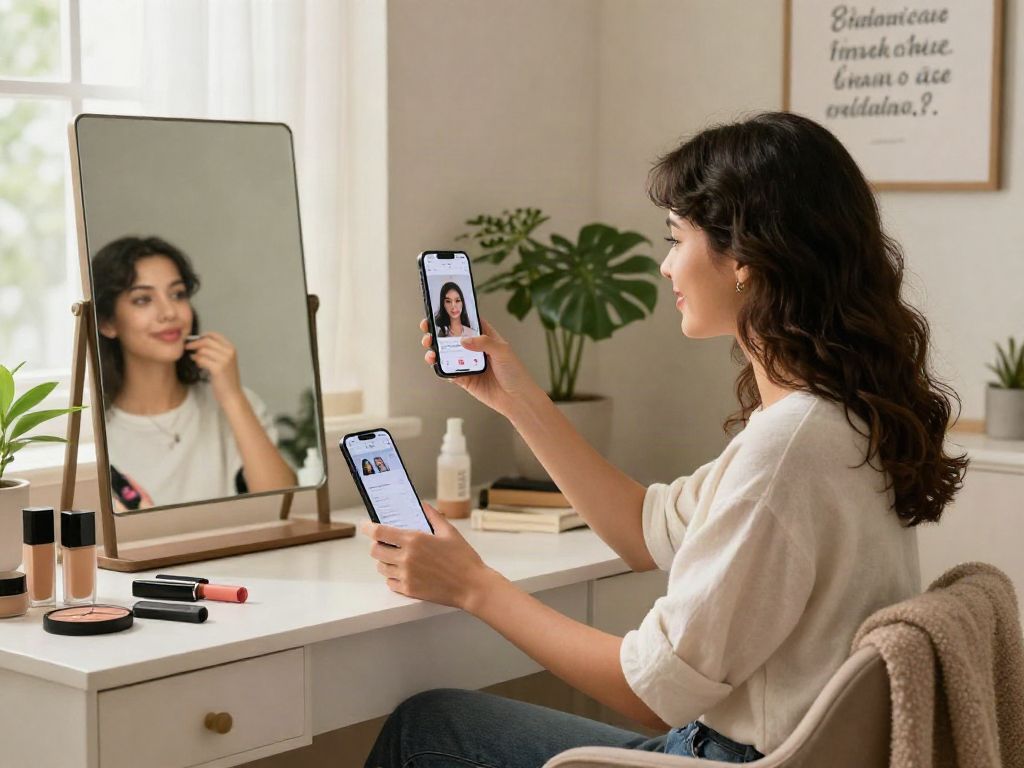
Attractiveness tests typically require users to upload a clear photograph of their face. Once submitted, the algorithms analyze various facial metrics, including:
- Facial Symmetry: The balance of features on either side of the face.
- The Golden Ratio: Proportionality based on classical beauty standards.
- Canthal Tilt: The angle of the eyes in relation to the horizontal.
These measurements are then used to assign a score, often on a scale from 1 to 10, giving users feedback on aspects that contribute to their perceived attractiveness.
Key Features of Popular Attractiveness Tests
Leading attractiveness tests incorporate several features to enhance user experience and provide accurate results. Key features often include:
- AI-Powered Analysis: Many tests use artificial intelligence to improve precision in evaluating facial features.
- Immediate Feedback: Users receive real-time results, providing instant insights into their attractiveness.
- Visual Reports: Detailed breakdowns of features and their contributions to overall scores.
Evaluating Attractiveness: The Science Behind the Test
Understanding the factors that play into attractiveness can shed light on why people react the way they do to different faces. This section delves into the scientific metrics used in attractiveness testing.
Facial Metrics Used in Attractiveness Testing
Attractiveness tests utilize a variety of facial metrics to evaluate beauty. Some of the most significant include:
- Proportional Relationships: Features such as the distance between the eyes, nose width, and chin length are analyzed.
- Facial Symmetry: Studies have shown that symmetrical faces are often perceived as more attractive.
- Feature Size: The relative size of the lips, eyes, and nose contributes significantly to a face’s overall appeal.
Impact of Symmetry and Ratios on Perceived Attractiveness
Research has consistently indicated that facial symmetry plays a pivotal role in perceived attractiveness. A study conducted by Langlois and Roggman (1990) revealed that people generally prefer more symmetrical faces. The Golden Ratio, a mathematical ratio commonly found in nature, also influences perceptions of beauty, suggesting that balance and proportion are key drivers in attractiveness.
Psychological Factors Influencing Attractiveness Perception
Beyond biological metrics, psychological aspects also influence how attractiveness is perceived. Factors such as personal experiences, cultural background, and media representation play critical roles. Furthermore, attraction is not merely about physical features; emotional connections and personality traits are equally significant in how individuals assess beauty.
Comparing Leading Attractiveness Tests Available Today
With many tools available online, it's essential to evaluate the various options based on reliability and user experience. This section provides a comparison of leading attractiveness tests.
Free vs. Paid Attractiveness Tests: Pros and Cons
Attractiveness tests come in both free and paid versions, each with its own advantages and limitations. Free tests generally attract a larger audience and offer basic evaluations but may lack precision and detailed feedback. Conversely, paid tests often provide a more comprehensive analysis and additional features like personalized reports, although they require a monetary investment.
How AI Enhances Test Accuracy and User Experience
Artificial intelligence has revolutionized attractiveness testing by significantly improving accuracy. AI algorithms can analyze greater volumes of data concerning facial structures and beauty standards, leading to more reliable results. Moreover, AI-driven tests tend to offer a more engaging user experience, often featuring interactive elements and tailored insights.
User Reviews: What People Are Saying About These Tools
User reviews can provide valuable insight into the effectiveness of attractiveness tests. Many individuals report enhanced confidence after receiving their ratings, while others highlight the educational aspect of understanding beauty metrics. Critiques often revolve around perceived biases in scoring and the subjective nature of beauty, emphasizing the importance of viewing results with a critical eye.
Practical Applications: Using Attractiveness Tests for Personal Growth
Taking an attractiveness test goes beyond mere curiosity; it can serve as a powerful tool for self-improvement and personal development. Here, we discuss practical applications.
Assessing Your Attractiveness: A Step-by-Step Guide
To effectively assess your attractiveness, follow these steps:
- Choose a Reliable Test: Select a test with good reviews and a solid reputation.
- Upload a Clear Photo: Ensure that your photo is well-lit and taken straight on for the best results.
- Analyze the Results: Look beyond the score to understand which features were highlighted.
Incorporating Feedback Into Your Style and Grooming Routines
Once you receive your attractiveness score and the associated feedback, consider how you can use this information to enhance your appearance. If symmetry is an issue, evaluate hairstyles or makeup techniques that can create a more balanced look. Moreover, understanding the features that enhance your score can inform your grooming routines and fashion choices.
Understanding Your Results: What They Mean for You
Interpreting the results of an attractiveness test is crucial. A higher score might suggest desirable features, while a lower score can provide insights into areas for improvement. However, it's essential to remember that beauty is subjective and multifaceted, and these tests are merely one perspective on attractiveness.
Future Trends in Attractiveness Testing and Self-Perception
As technology advances, so too do the methods and understanding of attractiveness. This section explores future trends shaping this industry.
Emerging Technologies in Facial Analysis
New technologies, like 3D facial mapping and augmented reality, are beginning to play a more significant role in attractiveness testing. These developments allow for deeper insights into facial dynamics, presenting a more comprehensive picture of beauty than traditional tests.
Changing Attitudes Toward Beauty Standards in 2026
The societal perception of beauty is evolving. In 2026, there is a growing trend towards inclusivity and diverse representations of attractiveness. Tools that promote a broader understanding of beauty are emerging, encouraging individuals to embrace their unique features.
Expert Predictions: The Future of Attractiveness Testing
Experts predict that attractiveness testing will continue to integrate more advanced AI and machine learning techniques, making evaluations more intuitive and personalized. Furthermore, as societal norms shift, attractiveness tests may evolve to accommodate a wider range of beauty ideals, reflecting the diverse standards present in today's world.
What is an attractiveness test?
An attractiveness test is a measurement tool designed to evaluate the perceived beauty of an individual based on facial features and symmetry.
Can attractiveness tests predict beauty?
While attractiveness tests can provide insights based on certain metrics, beauty remains a deeply subjective concept influenced by cultural and individual preferences.
Are AI attractiveness tests reliable?
AI-based attractiveness tests tend to offer reliable results backed by data and algorithms, but the subjective nature of beauty means that scores should be interpreted with caution.
How to interpret attractiveness test results?
Results should be viewed as a guide rather than a definitive judgment. Understanding the metrics behind the score can provide valuable insights for personal growth.
What trends are shaping beauty perception in 2026?
Inclusivity and diversity are key trends in 2026, with a shift towards celebrating unique features as opposed to adhering to traditional beauty standards.