Understanding Hydraulic Hose Repair
What is Hydraulic Hose Repair?
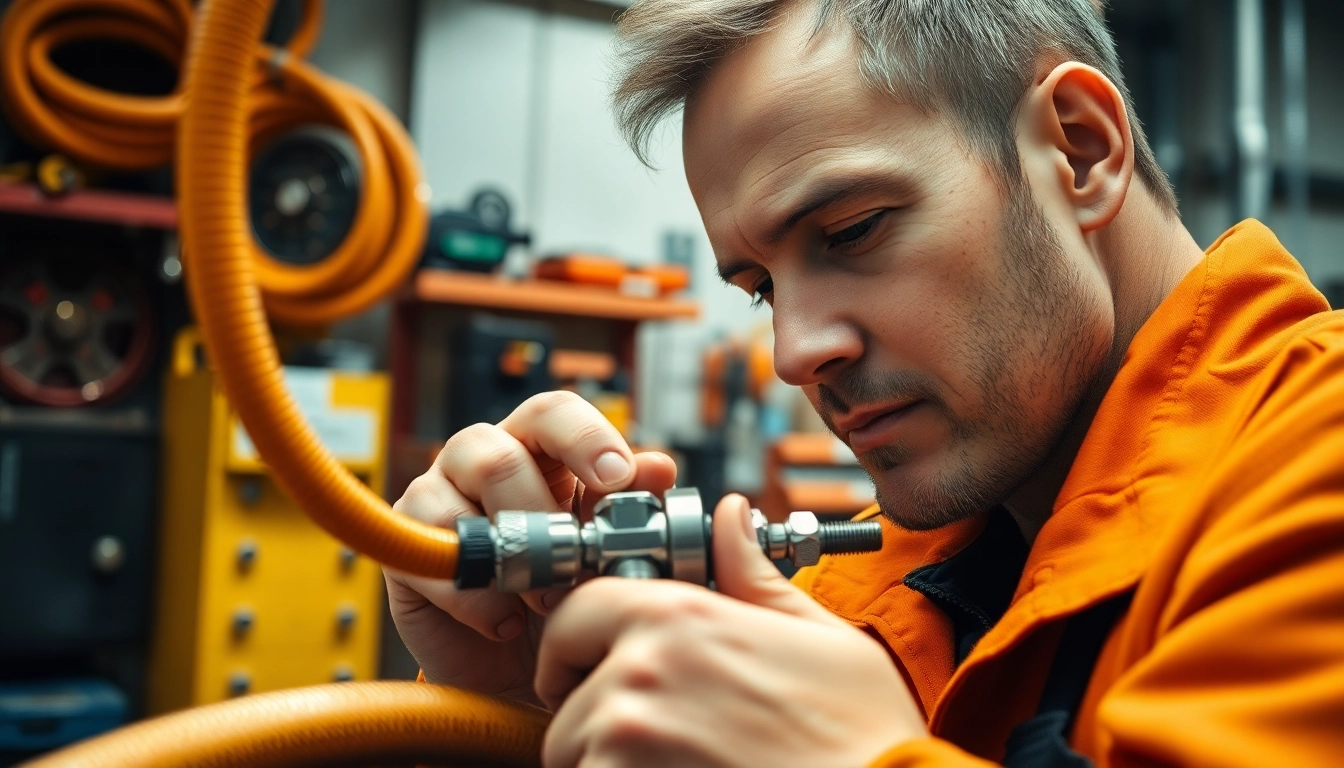
Hydraulic hose repair is the process of restoring damaged hydraulic hoses to ensure that they function correctly within a hydraulic system. These hoses play a critical role in transporting hydraulic fluid under high pressure, driving machines and equipment efficiently. Failure to repair or replace damaged hoses can lead to inefficiency, loss of power, and potential safety hazards. Ensuring timely and effective hydraulic hose repair can greatly extend the operational lifespan of the associated machinery.
Common Causes of Hydraulic Hose Failures
Hydraulic hoses are subject to a range of stressors that can lead to failures. Common causes include:
- Wear and Tear: Over time, hoses can degrade due to repeated flexing and exposure to harsh conditions.
- Abrasions: Contact with rough surfaces can wear down the outer layer of the hose, compromising its integrity.
- Pressure Surges: Sudden pressure spikes can exceed the hose's rated capacity, causing blowouts or ruptures.
- Environmental Factors: UV radiation, extreme temperatures, and chemical exposure can weaken hoses significantly.
- Improper Installation: Incorrect mounting or routing can stress hoses and lead to premature failure.
Signs Your Hydraulic Hose Needs Repair
Identifying issues early can save time and money. Look for the following signs that indicate your hydraulic hose may need repair:
- Leaks: Visible fluid leaking from the hose is a strong indicator of a problem.
- Abrasion Marks: Scratches or worn areas can hint at impending failure.
- Cracks or Blisters: Deformations in the hose material signify deterioration.
- Decreased Performance: Reduced efficiency or inability to hold pressure are critical warning signs.
- Physical Damage: Observing kinks, twists, or bends can indicate a need for immediate attention.
Hydraulic Hose Repair Techniques
DIY Hydraulic Hose Repair: Pros and Cons
While some basic repairs might be attempted by seasoned DIY enthusiasts, the complexity of hydraulic systems often necessitates professional intervention. Here are some pros and cons:
- Cost savings on service calls.
- Immediate service in critical emergencies.
- Increased familiarity with equipment.
- Risk of improper repairs leading to safety hazards.
- Potential for damage to other system components.
- Time-consuming process without professional tools.
Tools Required for Effective Repairs
For those attempting repairs, having the right tools is essential. Equip yourself with:
- Hydraulic Hose Cutters: Ensure clean cuts to prevent fraying.
- Ratcheting Wrenches: For secure fittings without damaging them.
- Press Fittings/Clamps: To securely fasten hoses post-repair.
- Torque Wrench: For precise fittings as per manufacturer specifications.
- Safety Gear: Ensure you have gloves and goggles for protection.
Step-by-Step Guide to Basic Repairs
When engaging in a DIY hydraulic hose repair, follow these steps to ensure a successful outcome:
- Identify the Problem: Examine the hose for leaks or damage.
- Gather Tools: Collect necessary tools and new hose if replacement is needed.
- Turn Off Equipment: Ensure all machinery is powered down to avoid injury.
- Remove Damaged Hose: Use appropriate tools to detach the hose from fittings carefully.
- Prepare for Replacement: Measure the length of the new hose required for installation.
- Attach New Hose: Securely connect the new hose, ensuring compatibility with fittings.
- Test the System: Power up the equipment and check for leaks or performance issues.
Choosing the Right Hydraulic Components
How to Select Quality Hoses
Selecting the right hydraulic hose is crucial for the efficiency and longevity of your system. Consider the following criteria:
- Pressure Rating: Ensure the hose can withstand the maximum operating pressure.
- Temperature Resistance: Choose hoses that can handle the hottest and coldest fluid temperatures in your system.
- Material Composition: Different environments may require hoses made from specific materials like rubber or thermoplastic.
- Industry Standards: Select hoses that comply with national and international certification standards.
Understanding Hose Fittings and Accessories
Hose fittings come in various designs and materials, each serving specific functions. When choosing fittings, take note of:
- Compatibility: Ensure the fittings match the hose and equipment specifications.
- Seal Type: Different seals like O-ring or flat faced should be matched to prevent leaks.
- Material: Consider the environment; corrosive materials require resistant fittings.
Importance of Compatibility in Hydraulic Systems
Compatibility among hydraulic components is critical for system efficiency. Incompatible parts can lead to:
- Performance Issues: Incorrect fittings can lead to ineffective fluid transfer.
- Leaks and Failures: Mismatched components may not create a proper seal, leading to leaks.
- Increased Wear: Components designed to work together extend the lifespan of your hydraulic system.
Safety Measures in Hydraulic Hose Repair
Personal Protective Equipment (PPE) Essentials
Before commencing any repairs, ensure you are equipped with appropriate safety gear to protect against hydraulic fluids and other hazards. PPE essentials include:
- Gloves: Prevents skin contact with hydraulic fluids.
- Safety Glasses: Protects eyes from splashes and debris.
- Steel-toed Boots: Protects feet from heavy equipment.
- Face Shields: For additional face protection in high-pressure situations.
Safe Working Practices in Hydraulic Repairs
Adopting safe working practices can significantly reduce the risk of accidents during hydraulic hose repairs. Consider the following:
- Lockout/Tagout Procedures: Isolate equipment to prevent accidental activation during repair.
- Work in Ventilated Areas: Ensure proper ventilation to avoid inhalation of harmful fumes.
- Lift Correctly: Use correct lifting techniques or mechanical help when dealing with heavy components.
Emergency Procedures for Hydraulic Leaks
In case of a hydraulic leak, follow these emergency procedures:
- Shut Down Equipment: Immediately power down the machinery to prevent further leakage.
- Contain the Spill: Use absorbent materials to minimize hazardous material spread.
- Notify Personnel: Alert relevant team members or management about the situation.
- Evaluate the Damage: Assess the leak and determine the next steps for repair.
- Implement Repairs: Carry out necessary repairs safeguarding from future leaks.
Maintenance Tips for Hydraulic Systems
Regular Inspection Routines
Establishing a routine for the inspection of hydraulic hoses and systems is vital. During inspections, check for:
- Visible Damage: Look for cracks, blisters, and abrasions on hoses.
- Leaks: Examine connections for any sign of fluid leakage.
- Pressure Levels: Monitor gauge readings to ensure proper operation.
- Fluid Quality: Check for discoloration or contamination in hydraulic fluid.
Signs of Wear and When to Replace Hoses
It's important to recognize the right time for hose replacement to avoid catastrophic failures. Signs indicating the need for replacement include:
- Cracking or Splitting: These signs show the hose is structurally compromised.
- Fading or Discoloration: Can indicate that the hose's material has weakened.
- Bulging or Swelling: A sign that there is an internal pressure issue.
How Proper Maintenance Prevents Repair Needs
Consistent maintenance not only prolongs the life of hydraulic hoses but also protects other components. Proper practices lead to:
- Reduced Repair Frequency: Addresses minor issues before they escalate into major failures.
- Increased Efficiency: Well-maintained systems operate more smoothly with optimal performance.
- Cost Savings: Less frequent repairs equate to lower operational costs over time.
FAQs
1. What is hydraulic hose repair?Hydraulic hose repair is effectively fixing damaged hydraulic hoses to restore their functionality and ensure safety in hydraulic systems.
2. When should I consider a hydraulic hose repair?Consider hydraulic hose repair if there are leaks, abrasions, or signs of wear that impact system performance.
3. Can I perform hydraulic hose repair myself?Basic repairs can be DIY, but complex issues should be handled by professionals to ensure safety and system integrity.
4. How often should I inspect my hydraulic hoses?Regular inspections should occur every few months, or more often in high-use applications, to catch problems early.
5. What are the benefits of proper maintenance for hydraulic hoses?Proper maintenance can extend the life of hydraulic hoses, prevent unexpected failures, enhance system performance, and ensure safety.
Contact Information
Call Us: 780.452.2876Email: [email protected]Address: 13111 159 Street Edmonton, AB T5V 1H6