Understanding the Essentials of Railroad Construction
The realm of Railroad Construction is both diverse and multifaceted. Understanding its fundamentals is crucial for anyone involved in the infrastructure development sector. This article delves deeper into the various aspects of railroad construction, including its key components, types, timelines, planning strategies, and innovative technologies that are shaping the future of this industry.
Key Components of Railroad Construction
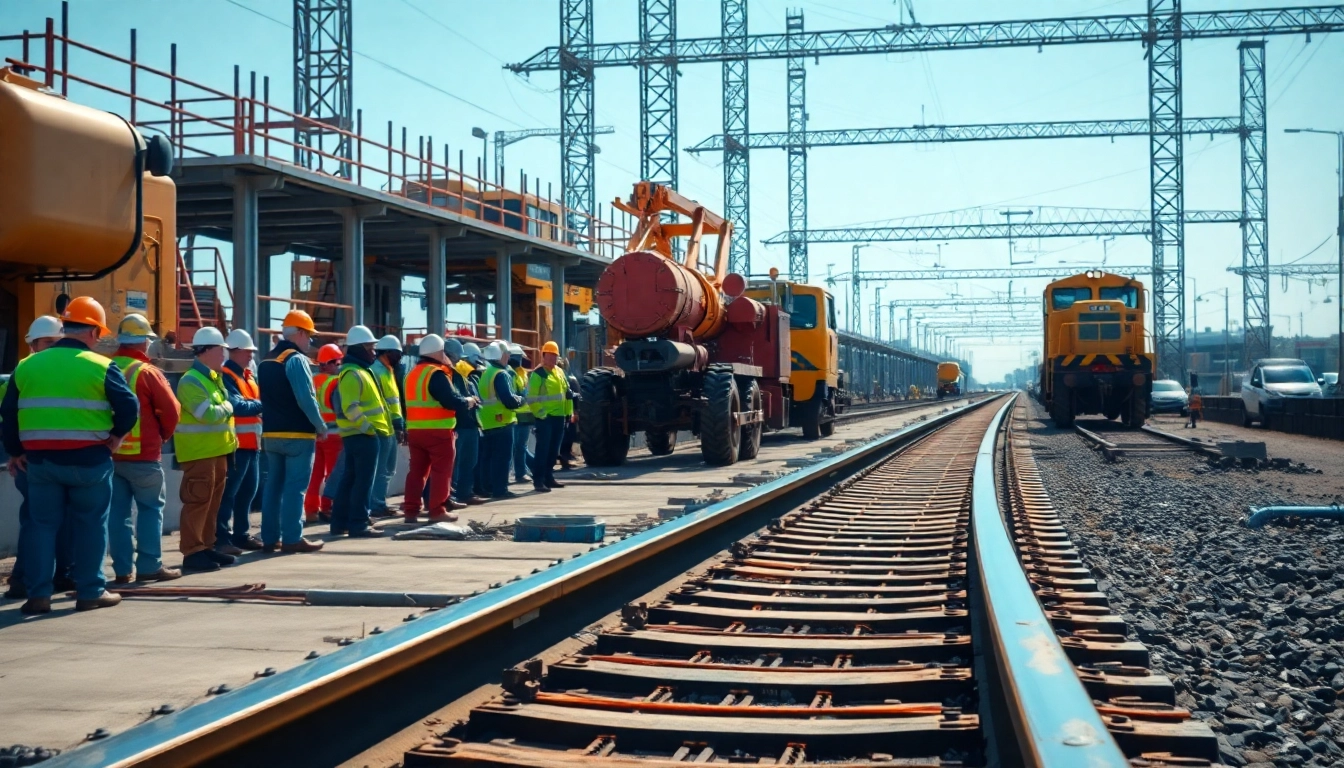
Railroad construction is a complex process that encompasses various elements crucial for building and maintaining railway systems. The key components include:
- Track Systems: The backbone of any railroad, consisting of rails, ties (or sleepers), and ballast.
- Grade Crossings: Areas where roads intersect with the railway, requiring safety measures and signal systems.
- Bridges and Tunnels: Essential for navigating geographical obstacles, including rivers and mountains.
- Station Infrastructure: Platforms and buildings for passenger services, freight loading, and maintenance facilities.
- Signaling Systems: Technology used to manage train movements, ensuring safety and efficiency.
Types of Railroad Construction
Railroad construction can be classified into several types, each designed to cater to specific requirements:
- Main Line Construction: Involves building long-distance tracks for freight and passengers.
- Light Rail and Streetcar Projects: Focused on urban transport solutions, often with lower volumes of traffic.
- Freight Rail Construction: Specialized systems for moving goods over long distances, emphasizing efficiency and capacity.
- High-Speed Rail: Designed for rapid transit between major urban centers, incorporating advanced technology for speed and comfort.
Timeline and Planning for Successful Projects
The timeline for railroad construction projects can vary significantly based on scope and complexity. A typical project involves several phases:
- Pre-Construction Planning: Includes feasibility studies, community consultations, and environmental assessments.
- Design and Engineering: Involves the creation of detailed plans and specifications, ensuring compliance with all regulations.
- Construction Phase: This phase includes site preparation, track laying, and installation of infrastructure.
- Testing and Commissioning: After construction, systems are rigorously tested to ensure safety and operational effectiveness.
- Ongoing Maintenance: Post-construction activities are essential for ensuring long-term functionality and safety.
Regulatory Compliance in Railroad Construction
Regulatory compliance is critical in railroad construction to ensure safety, environmental protection, and adherence to standards. Understanding these regulations is pivotal for project success.
Key Safety Regulations and Standards
Railroad construction must comply with a variety of safety regulations. Key organizations, such as the Federal Railroad Administration (FRA), govern these standards. Essential regulations might include:
- OSHA Standards: These provide guidelines for safe working conditions during construction.
- FRA Regulations: Focus on the overall safety of rail operations, including worker safety and equipment standards.
- Environmental Protection Regulations: Ensures that construction projects minimize environmental impact.
Environmental Considerations in Railroad Construction
Environmental assessments are integral to any railroad construction project. Teams must evaluate potential ecological impacts related to:
- Habitat Disruption: Construction can disturb local wildlife and ecosystems, requiring mitigation plans.
- Pollution Control: Preventing soil and water contamination during construction activities.
- Noise Pollution: Measures must be taken to minimize noise, particularly in urban areas.
- Community Impact: Engaging with local communities to address concerns and promote benefits.
Documentation and Approval Processes
Every railroad construction project requires thorough documentation, including:
- Permits: Securing all necessary permits from local, state, and federal agencies.
- Environmental Reports: Documenting impact assessments and mitigation strategies.
- Design Approvals: Ensuring adherence to engineering standards through design reviews.
- Final Inspections: Conducting inspections before opening the railway for operations.
Innovative Technologies in Railroad Construction
As technology advances, the railroad construction sector has witnessed significant innovations that enhance efficiency and safety. Understanding these technologies is essential for modern construction projects.
Modern Machinery and Tools Used
The use of advanced machinery in railroad construction has transformed workflows. Some critical technologies include:
- Ballast Regulators: Ensure that the track bed is properly contoured and the ballast is distributed evenly.
- Rail Grinders: Help maintain and repair rail surfaces, enhancing safety and performance.
- Track-Laying Machines: Expedite the process of laying track materials, increasing speed and efficiency.
- Surveying Drones: Provide aerial views and data to aid in planning and monitoring construction progress.
Digital Solutions for Project Management
Digital tools have become indispensable in managing railroad construction projects. Key solutions include:
- Project Management Software: Tools like Primavera or Microsoft Project streamline scheduling and resource allocation.
- Building Information Modeling (BIM): Facilitates collaborative planning and design, improving accuracy and efficiency.
- Mobile Applications: Allow real-time updates and communication among construction teams in the field.
Future Trends in Railroad Construction Technology
Looking ahead, several trends are shaping the future of railroad construction:
- Autonomous Construction Equipment: Automation is expected to reduce labor costs and increase safety.
- Smart Rail Systems: Integrating IoT for real-time monitoring and predictive maintenance.
- Sustainable Materials: The use of environmentally friendly materials will gain traction, reducing carbon footprints.
Best Practices for Efficient Railroad Construction
Implementing best practices in railroad construction can enhance project outcomes, ensuring timely delivery and budget adherence. Here are some vital strategies to consider:
Project Management Techniques
Effective project management is paramount. Techniques include:
- Agile Methodologies: Foster flexibility to adapt to changes and unforeseen challenges.
- Risk Management: Conduct thorough risk assessments and develop mitigation strategies.
- Stakeholder Engagement: Regular communication with stakeholders ensures alignment and address concerns timely.
Quality Assurance in Railroad Construction
Maintaining quality standards is crucial. Best practices include:
- Regular Inspections: Conduct frequent quality checks throughout the construction process.
- Standardized Procedures: Utilize documented processes to ensure consistency and compliance with regulations.
- Training Programs: Invest in ongoing training to enhance worker skills and safety awareness.
Cost Management Strategies
Cost overruns can jeopardize projects. Implementing effective strategies can help manage expenses:
- Detailed Budgeting: Create comprehensive budgets that account for all potential costs.
- Value Engineering: Analyze project components for cost savings without sacrificing quality.
- Regular Financial Review: Monitor spending against the budget to identify deviations early.
FAQs about Railroad Construction
What are the primary stages of railroad construction?
The primary stages include planning, design, site preparation, track laying, and finishing touches.
How long does a typical railroad construction project take?
Timelines vary based on project scope and location, but major projects can take several months to years.
What safety measures are implemented during construction?
Safety measures include worker training, equipment safety checks, and compliance with OSHA regulations.
Are there environmental impacts from railroad construction?
Yes, impacts can include habitat disruption and pollution, requiring environmental assessments and mitigation plans.
How is the cost of railroad construction estimated?
Costs are estimated based on materials, labor, equipment, and project scope, analyzed through detailed bids.
Contact Information
Call Us: (855) 920-8722Email: [email protected]Address: 3950 Fossil Creek Boulevard, Suite 106 Fort Worth, TX 76137