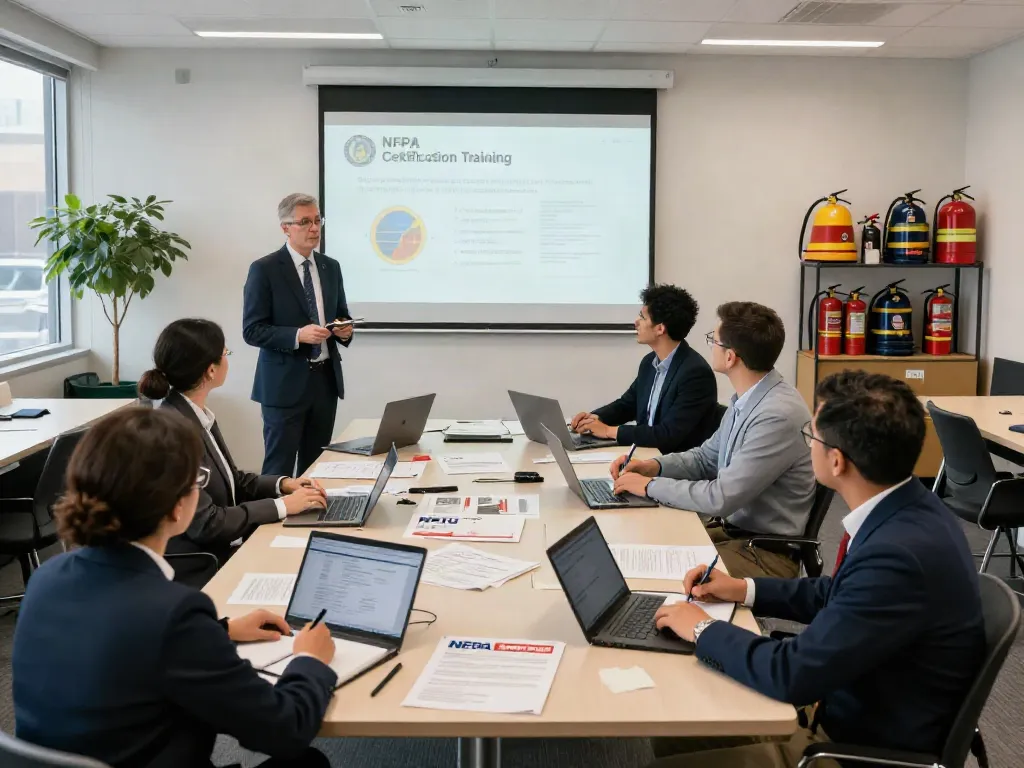
Understanding NFPA Certification Training
In the ever-evolving field of fire safety and protection, professionals must stay ahead of the curve. The NFPA Certification Training serves as a crucial stepping stone for individuals aiming to enhance their knowledge and skills. This training, authorized by the National Fire Protection Association (NFPA), encompasses a wide range of topics, creating a comprehensive foundation for effective fire safety management. With over a century of experience, the NFPA has established rigorous training programs that address not only current challenges but also anticipate future developments in fire safety standards.
What is NFPA Certification Training?
NFPA Certification Training is designed to equip professionals with essential knowledge in fire safety, risk management, and emergency response. Offered globally through authorized training providers like Burraq Business Consulting, these courses provide in-depth insights into fire prevention, electrical safety, hazardous materials management, and community risk reduction. The NFPA's extensive curriculum is meticulously crafted to meet international standards, ensuring that participants are well-prepared for the unique challenges of fire safety in various environments.
Benefits of NFPA Certification for Professionals
Obtaining NFPA certification brings several benefits that can significantly impact a professional's career trajectory. Firstly, it validates expertise in fire safety and enhances credibility among peers and employers. Secondly, certified professionals often experience increased job opportunities, as organizations seek individuals who can effectively implement NFPA standards to mitigate risks. Additionally, NFPA certification fosters a culture of safety within organizations, leading to improved workplace practices and compliance with regulatory requirements. The certification also provides networking opportunities within the fire safety community, facilitating collaboration and knowledge sharing among industry professionals.
Who Should Pursue NFPA Certification?
NFPA Certification Training is not only for fire safety professionals; it is valuable for anyone engaged in roles that prioritize safety and risk management. This includes safety officers, facility managers, fire protection engineers, and emergency preparedness coordinators. Additionally, organizations involved in construction, manufacturing, and healthcare should encourage employees to pursue this certification to ensure a safer working environment. The comprehensive nature of the training ensures that participants from diverse backgrounds can benefit from enhanced knowledge in fire safety practices.
Key Aspects of NFPA Training Programs
Core Curriculum and Training Formats
The NFPA training programs feature a robust curriculum that encompasses a wide array of topics crucial for fire safety management. This includes modules on building codes, life safety standards, and electrical safety protocols. Training formats are diverse, allowing organizations to choose between in-person classes, online courses, and hybrid options. This flexibility ensures that professionals can engage with the material at their convenience, making the training accessible to a broader audience.
Hands-On Learning Experiences in Fire Safety
One of the standout features of NFPA Certification Training is the emphasis on hands-on learning. Practical exercises, simulations, and real-world scenarios are integrated into the curriculum, allowing participants to apply theoretical knowledge in practical settings. This experiential learning approach bolsters retention and enhances the ability to respond effectively in emergency situations. By practicing skills in a controlled environment, professionals gain confidence and preparedness that can translate to their workplaces.
Importance of Certified Instructors in Training
Certified instructors play a pivotal role in the NFPA training process. These professionals bring a wealth of experience and industry knowledge, ensuring that participants receive the most relevant and up-to-date information. Instructors also provide mentorship, facilitating discussions that deepen understanding and foster critical thinking. Their ability to relate training content to real-life applications significantly enhances the overall learning experience, making it more engaging and informative.
Implementing NFPA Standards in Your Organization
Steps to Align with NFPA Guidelines
To successfully implement NFPA standards, organizations must begin with a thorough assessment of their current safety protocols and practices. This process involves identifying gaps in compliance and areas for improvement. Once these aspects are recognized, organizations should develop a strategic plan that includes training employees on NFPA standards, establishing clear safety policies, and integrating fire safety measures into operational procedures. Regular audits and reviews can help ensure ongoing compliance and effectiveness of the implemented standards.
Challenges in Implementing NFPA Standards
While aligning with NFPA guidelines is essential, organizations often face challenges in the process. Common obstacles include lack of employee engagement, resistance to change, and insufficient resources for training and implementation. Additionally, keeping up with evolving NFPA standards can be daunting, especially for smaller organizations with limited budgets. To overcome these challenges, organizations must foster a culture of safety that promotes commitment from all levels of staff and ensures that adequate resources are allocated to safety training and compliance.
Case Studies of Successful Implementation
Numerous organizations have successfully implemented NFPA standards to enhance their fire safety management. For instance, a manufacturing facility that adopted NFPA guidelines reported a 30% reduction in fire incidents over two years after implementing rigorous training and safety measures. This case highlights the effectiveness of NFPA certification in transforming workplace safety culture and ensuring compliance with industry best practices. Another example is a healthcare facility that integrated NFPA standards into its emergency response protocols, resulting in improved readiness for fire-related emergencies and reduced response times.
Measuring the Impact of NFPA Certification
Key Performance Indicators for Fire Safety Training
To gauge the effectiveness of NFPA certification training, organizations can utilize various Key Performance Indicators (KPIs). These may include tracking the number of safety incidents pre- and post-training, conducting employee surveys to measure knowledge retention, and assessing compliance rates with safety protocols. By establishing clear KPIs, organizations can effectively measure the return on investment in NFPA training and make informed decisions about future training needs and areas for improvement.
Real-World Benefits of NFPA Certification
Organizations that invest in NFPA certification often realize tangible benefits, including reduced liability costs, fewer workplace accidents, and enhanced employee morale. Certified personnel create safer environments, directly leading to improved productivity and operational efficiency. Furthermore, as businesses become more safety-conscious, they position themselves as industry leaders, paving the way for new opportunities and partnerships.
Feedback and Continuous Improvement Strategies
Collecting feedback from participants and stakeholders is crucial for continuous improvement in NFPA training programs. Organizations should implement regular feedback mechanisms, such as surveys and focus groups, to gather insights on the training experience. This information can inform curriculum updates, instructor evaluations, and training delivery methods, ensuring that programs remain relevant and impactful. Continuous improvement fosters a culture of learning and adaptation that is essential in the dynamic field of fire safety management.
Future Trends in Fire Safety Training and Certification
Emerging Technologies in Training Delivery
As technology evolves, so too does the landscape of fire safety training. Virtual Reality (VR) and Augmented Reality (AR) are becoming integral tools in training delivery, allowing participants to engage in immersive learning experiences. These technologies enable learners to practice fire safety protocols in realistic settings, enhancing their ability to respond effectively. Online platforms are also becoming more prevalent, providing flexibility and accessibility to a wider audience, which will continue to shape how certification training is delivered in the future.
Anticipated Changes in NFPA Regulations by 2026
With ongoing advancements in technology and changes in occupational safety requirements, NFPA standards are expected to evolve significantly by 2026. Updates may include stricter regulations regarding fire prevention technologies, changes in building codes, and increased emphasis on risk management practices. Staying informed about these anticipated changes is vital for organizations aiming to maintain compliance and ensure safety excellence.
Preparing for Evolving Standards in Fire Safety
Organizations must adopt proactive strategies to prepare for evolving NFPA standards. This includes investing in ongoing training for employees, establishing partnerships with training providers, and continuously evaluating and updating safety protocols. By creating a dynamic training environment that adapts to changing regulations, organizations can position themselves to respond swiftly to emerging challenges in fire safety management.
What are the prerequisites for NFPA Certification?
The prerequisites for NFPA certification vary depending on the specific certification being pursued. Generally, candidates should have a foundational understanding of fire safety principles and practices. Some certifications may also require relevant work experience or completion of prerequisite courses. Individuals interested in NFPA certification are encouraged to review the specific requirements for their desired certification to ensure they meet eligibility criteria.
How long does NFPA Certification last?
NFPA certifications typically remain valid for a period of three to five years, depending on the certification type. To maintain certification, individuals must complete continuing education requirements or retake the certification exam. This renewal process ensures that certified professionals remain current with the latest industry standards and practices.
Are online NFPA courses available?
Yes, online NFPA courses are available, offering flexibility for individuals who prefer self-paced learning or cannot attend in-person classes. These courses cover essential topics and are designed to help participants prepare for certification exams. Online training options provide a convenient alternative while maintaining the educational quality associated with NFPA training.
What are the costs associated with NFPA Certification?
The costs for NFPA certification can vary depending on the specific program, location, and training provider. Expenses may include course fees, exam fees, and any related materials. Organizations are encouraged to budget for certification training as part of their safety initiatives, considering the long-term benefits of investing in compliance and employee development.
How can organizations benefit from NFPA Certification?
Organizations that prioritize NFPA certification for their employees can reap numerous benefits, including enhanced safety compliance, reduced liability risks, and improved overall workplace morale. By fostering a workforce well-versed in fire safety standards, companies not only protect their employees but also enhance their reputation in the marketplace. Moreover, the implementation of NFPA standards can lead to streamlined operations and increased efficiency, making it a worthwhile investment for any organization.