Understanding Containerized Wastewater Treatment Systems
As the global demand for efficient, sustainable wastewater management grows, containerized wastewater treatment systems have emerged as a vital solution for both residential and industrial applications. These systems, designed within standard shipping containers, combine advanced technology with ease of use, making them a preferred choice for many Wastewater Treatment System Manufacturers. Their modular nature allows for rapid deployment and flexibility in various geographical and operational conditions.
What are Containerized Wastewater Treatment Systems?
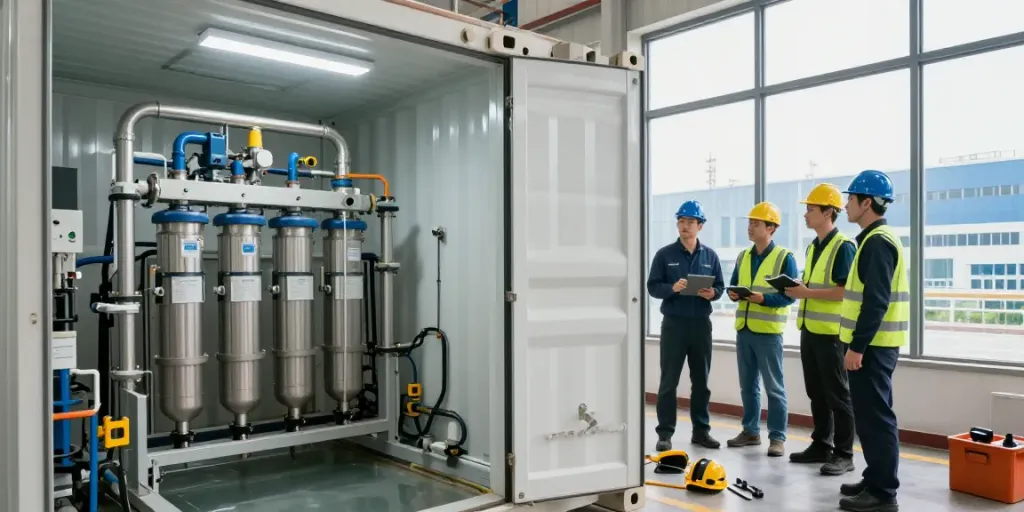
Containerized wastewater treatment systems consist of pre-engineered units housed within standard shipping containers, typically 20- or 40-feet long. These systems are designed to treat diverse wastewater streams, from domestic sewage to complex industrial effluents. Their design incorporates all necessary treatment processes, including screening, biological treatment, and disinfection, ensuring that the treated effluent meets all regulatory standards.
Advantages of Containerized Systems for Manufacturers
- Rapid Deployment: Containerized systems can be transported and installed quickly, requiring minimal site preparation and logistics management. With only a flatbed truck and a crane, they can be operational within days.
- Flexibility: Their modular design allows for easy relocation or expansion based on changing operational needs.
- Cost-Effectiveness: Containerized systems reduce capital expenditure by eliminating the need for extensive civil works and providing a pre-assembled solution ready for immediate use.
- Compliance: These systems are designed to meet local and international environmental regulations, offering peace of mind to operators and stakeholders.
Applications Across Industries
The versatility of containerized wastewater treatment systems allows them to be utilized in various sectors, including:
- Municipal Wastewater Treatment: Ideal for small towns or temporary setups where traditional plant infrastructure is not feasible.
- Industrial Applications: Used in manufacturing, mining, and food processing industries where specialized effluent treatment is required.
- Disaster Relief: Quickly deployed in areas affected by natural disasters to restore sanitation services.
- On-Site Treatment: Suitable for remote locations with limited access to centralized treatment facilities.
Key Features of Advanced Wastewater Treatment Systems
Innovative Technologies in Wastewater Management
Modern containerized systems leverage innovative technologies such as membrane bioreactors (MBRs), reverse osmosis (RO), and advanced oxidation processes (AOPs). These technologies enhance treatment efficiency and allow for higher quality effluent suitable for reuse applications. For instance, MBRs combine biological treatment with membrane filtration, providing superior effluent clarity and quality.
Modular Design and Deployment Flexibility
The modularity of containerized systems means that they can be easily scaled or upgraded according to specific treatment requirements. This design grants manufacturers the flexibility to offer tailored solutions that meet diverse client needs without the high costs associated with custom-built plants.
Environmental Compliance and Standards
Adhering to local and international environmental standards is crucial for the success of wastewater treatment systems. Containerized solutions are designed with compliance in mind, ensuring that the treated water meets or exceeds regulatory limits for discharge and reuse, thereby promoting responsible environmental stewardship.
Choosing the Right Wastewater Treatment System Manufacturer
Analyzing Manufacturer Reputation and Experience
When selecting a manufacturer, it is essential to consider their reputation within the industry. Established wastewater treatment system manufacturers with a proven track record are likely to provide more reliable products and services. Investigating case studies and customer testimonials can provide valuable insights into their operational history and effectiveness.
Understanding the Offerings and Customization Options
Different manufacturers may offer distinct features or customization options. It’s critical to evaluate whether a provider can cater to specific treatment requirements, such as varying input water qualities or desired output standards.
Key Performance Indicators to Consider
Assessing key performance indicators (KPIs) such as hydraulic capacity, treatment efficiency, energy consumption, and maintenance requirements can inform purchasing decisions. Manufacturers should provide data demonstrating their systems' reliability and efficiency over time.
Cost-Benefit Analysis of Containerized Solutions
Initial Investment vs. Long-Term Savings
The initial cost of a containerized wastewater treatment system may be higher than traditional solutions; however, the long-term savings can be substantial. Savings come in the form of reduced operational costs, lower maintenance requirements, and potential revenue from the reuse of treated water.
Operational Efficiencies and Performance Metrics
Advanced containerized systems often feature automated controls, reducing the need for manual intervention. This automation enhances operational efficiency, allowing for real-time monitoring and adjustments, thereby improving overall performance.
Case Studies of Successful Implementations
Numerous case studies highlight the successful deployment of containerized wastewater treatment systems across different industries. For instance, a remote mining operation in Australia implemented a containerized solution that effectively treated wastewater for reuse, demonstrating increased operational sustainability and reduced environmental impact.
Future Trends in Wastewater Treatment Technologies
Innovations Shaping the Industry in 2026
As technology evolves, so will the capabilities of wastewater treatment systems. Innovations such as AI-driven monitoring systems, IoT integration for predictive maintenance, and enhanced bio-treatments are expected to shape the future, making wastewater management more efficient and user-friendly.
Sustainable Practices and Eco-Friendly Solutions
The industry is moving towards more sustainable practices, focusing on zero-waste systems and the circular economy. Containerized systems can incorporate technologies that further reduce waste by enabling resource recovery, such as nutrient extraction for fertilizer production.
Emerging Challenges and Opportunities for Manufacturers
While there are significant opportunities for wastewater treatment system manufacturers, challenges such as regulatory changes and the need for continuous innovation will require adaptability. Staying at the forefront of technology and compliance will be crucial for success in this changing landscape.
What are the top manufacturers of wastewater treatment systems?
Leading manufacturers in the industry include Veolia, Xylem, and SUEZ, each offering unique solutions tailored to meet diverse treatment needs across various sectors.
How do containerized wastewater treatment systems work?
These systems integrate various treatment processes within a compact unit, allowing for efficient treatment of wastewater. The design often includes primary treatment, biological treatment, and final disinfection, all managed through automated controls.
What industries benefit most from wastewater treatment systems?
Industries such as agriculture, manufacturing, municipalities, and disaster relief operations benefit significantly from these systems, leveraging their ability to provide immediate, reliable wastewater management solutions.
How to maintain containerized wastewater treatment systems?
Regular maintenance involves monitoring system performance, cleaning filters, and ensuring that mechanical components function correctly. Adhering to a maintenance schedule helps prolong the lifespan of the equipment and ensures optimal performance.
What are current trends in wastewater treatment technology?
Current trends include increasing automation, the use of AI for predictive maintenance, and a focus on sustainability through resource recovery and energy efficiency initiatives.