What is Rabbit Gut Stasis?
Definition and Overview
Rabbit gut stasis, also known as gastrointestinal stasis, is a serious condition that occurs when the normal movement of the digestive tract slows down or stops altogether. This leads to a buildup of gas and food within the intestines, which can be life-threatening if not treated promptly. Rabbits, being herbivores, rely heavily on a constant flow of food through their digestive system to maintain their health. When this flow is interrupted, it can lead to severe complications.
Normal Digestive Process in Rabbits
To understand gut stasis, it is essential to know how a rabbit's digestive system functions under normal circumstances. Rabbits possess a unique digestive system designed to efficiently process high-fiber diets. Their digestive tract consists of the stomach, small intestine, cecum, and large intestine. The cecum plays a crucial role in fermentation, allowing rabbits to break down fibrous materials such as hay and grass into digestible nutrients.
In a healthy rabbit, food moves through the digestive tract in a continuous manner, with fiber-rich hay being the primary component of their diet. This fiber aids in the normal peristaltic movement of the intestines, helping to keep the digestive system functioning effectively. Additionally, rabbits produce two types of feces: hard pellets and soft cecotropes, the latter being re-ingested to obtain essential nutrients. This complex process is vital for a rabbit’s overall health and well-being.
Factors Leading to Gut Stasis
Several factors can contribute to the development of gut stasis in rabbits. These include:
- Dietary Issues: A diet low in fiber, such as one that consists primarily of pellets or treats, can lead to gut stasis. Fiber is essential for maintaining gut motility.
- Stress: Stressful situations, such as changes in environment, loud noises, or the presence of predators, can disrupt a rabbit's digestive function.
- Dental Problems: Overgrown teeth can cause pain while eating, leading to reduced food intake and subsequently stasis.
- Illness: Underlying health issues, such as gastrointestinal infections or other systemic diseases, can impede digestion.
- Dehydration: Insufficient water intake can lead to hard fecal pellets and slowed gut movement.
Identifying the Symptoms of Gut Stasis
Behavioral Changes in Affected Rabbits
Rabbits with gut stasis often exhibit noticeable behavioral changes. They may become lethargic, hiding more than usual, or they might stop engaging in typical playful behaviors. An affected rabbit may also show signs of discomfort, such as grinding teeth (bruxism) or sitting in a hunched position to alleviate pain. They may also exhibit a reduced interest in food and water, which is a critical red flag for owners.
Physical Signs to Look For
In addition to behavioral changes, there are several physical signs that can indicate gut stasis:
- Reduced or Absent Fecal Output: One of the most telling signs of gut stasis is a significant reduction in fecal pellet production or a complete absence of feces.
- Abdominal Distension: A swollen or bloated abdomen may indicate a buildup of gas and food in the intestines.
- Dehydration: Signs of dehydration include dry mouth, lethargy, and skin tenting. This occurs due to decreased fluid intake and absorption.
Importance of Early Detection
Early detection of gut stasis is crucial for successful treatment. The longer the condition persists without intervention, the more severe the complications can become. Owners should monitor their rabbits closely for changes in behavior or physical signs, as prompt veterinary care can significantly improve outcomes. A delay in addressing gut stasis can lead to irreversible damage to the digestive system and may ultimately result in death.
Consequences of Untreated Gut Stasis
Impact on Rabbit Health
Untreated gut stasis can have severe consequences on a rabbit's health. The buildup of gas and food in the intestines can lead to pain and discomfort, making it difficult for the rabbit to eat or drink. Over time, this can result in malnutrition and severe weight loss, further compromising the rabbit's immune system and ability to recover from other illnesses.
Potential for Dehydration and Nutritional Deficiencies
As the digestive system fails to function properly, the rabbit may experience dehydration due to reduced water intake and absorption. Additionally, nutritional deficiencies can develop as the rabbit stops eating or as the digestive system fails to absorb nutrients effectively. This can lead to a variety of health issues, including weakened bones, dental problems, and compromised organ function.
Progression to More Severe Conditions
If gut stasis is not addressed, the condition can progress to more severe complications, such as:
- Intestinal Blockage: A complete blockage can occur, preventing any food from passing through the digestive tract, which is a surgical emergency.
- Peritonitis: This is an inflammation of the abdominal cavity that can occur as a result of ruptured intestines or severe infection, leading to sepsis.
- Death: In severe cases, if the rabbit does not receive appropriate medical treatment, gut stasis can ultimately be fatal.
Treatment Options for Rabbit Gut Stasis
Immediate Care and Veterinary Intervention
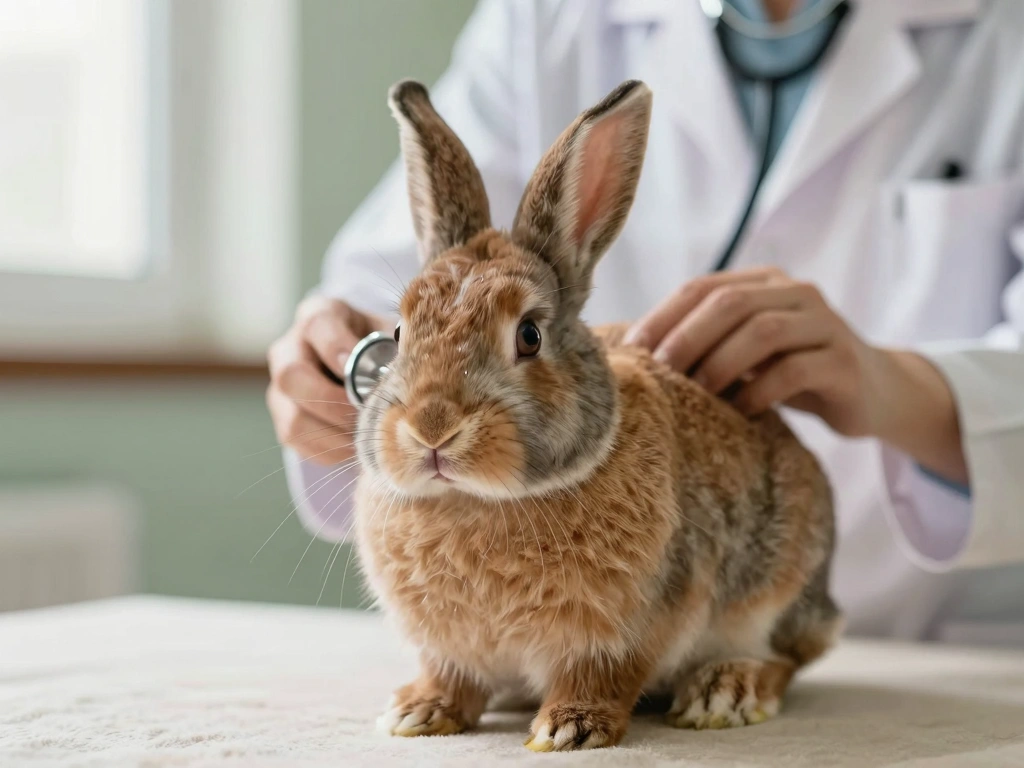
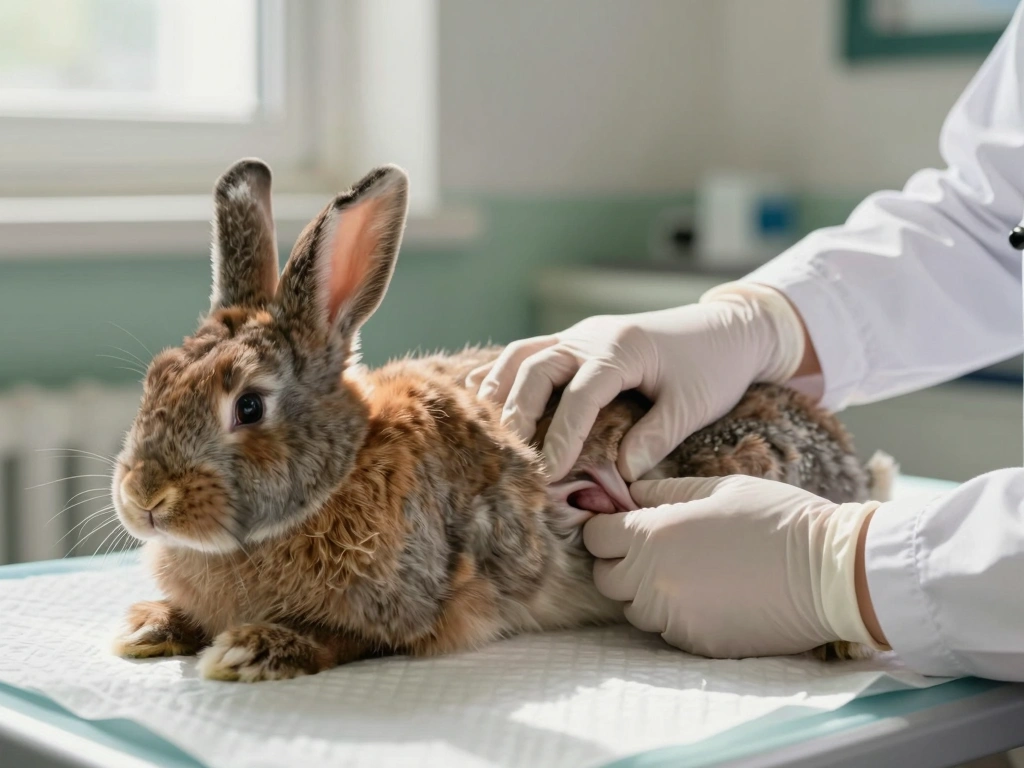
Immediate veterinary intervention is often necessary in cases of gut stasis. A veterinarian will typically perform a thorough examination, which may include blood tests and imaging studies, to determine the underlying cause of the stasis. Treatment often starts with supportive care, including fluid therapy to rehydrate the rabbit and help stimulate gut motility.
In some cases, the veterinarian may recommend a specific diet or feeding regimen to encourage the rabbit to eat. This might include offering fresh hay, leafy greens, or even critical care formulas designed for rabbits.
Medications and Their Role
Medications may be prescribed to address gut stasis in rabbits. These can include:
- Prokinetics: Medications such as metoclopramide can help stimulate gut motility and encourage the passage of food through the digestive system.
- Analgesics: Pain relief medications may be given to alleviate discomfort and encourage the rabbit to eat.
- Antibiotics: If there is a suspicion of infection, antibiotics may be administered to prevent further complications.
Long-term Management Strategies
After initial treatment, long-term management strategies may be necessary to prevent recurrence. This can include dietary adjustments, such as ensuring a high-fiber diet that consists primarily of hay, fresh vegetables, and limited pellets. Regular veterinary check-ups can also help monitor dental health and nutritional status, allowing for early intervention if any issues arise.
Preventing Gut Stasis in Rabbits
Importance of a Proper Diet
Preventing gut stasis begins with providing a proper diet that is high in fiber. Rabbits should have unlimited access to fresh hay, such as timothy hay or orchard grass, which encourages normal digestive function. Fresh vegetables should be introduced gradually and should comprise a variety of leafy greens, including romaine lettuce, kale, and cilantro. It is crucial to limit pellets and treats, as these can disrupt the balance of fiber in their diet.
Environmental and Lifestyle Considerations
Creating a stress-free environment for rabbits is essential for their overall well-being. Factors such as loud noises, sudden changes in their living space, or the presence of other pets can contribute to stress-related gut stasis. Providing a safe, quiet space for your rabbit to retreat to can help alleviate anxiety. Additionally, regular exercise through playtime outside the cage can promote healthy digestion.
Regular Health Check-ups and Monitoring
Regular health check-ups are vital for early detection of potential issues that could lead to gut stasis. Routine veterinary visits should include dental examinations, as dental problems can significantly impact a rabbit's ability to eat and digest food properly. Monitoring your rabbit's eating habits, fecal output, and overall behavior can help catch signs of gut stasis early, allowing for prompt intervention.