Understanding the Art of Selfie
In the modern digital age, the Selfie has become more than just a picture; it's a form of expression. Capturing the perfect selfie can convey emotions, document life events, and often serve as a storytelling tool. However, understanding the nuances of this art form can elevate your photography from mere snapshots to stunning portraits.
What Makes a Great Selfie?
A great selfie captures not only the physical appearance but also the personality of the subject. To achieve this, consider factors such as:
- Lighting: Good lighting is crucial. Natural light tends to be the most flattering, but well-placed artificial light can also work wonders.
- Framing: What you include in the frame can define the context of your selfie. Focus on your face, but don't shy away from including elements that narrate your story.
- Authenticity: Genuine emotions resonate more with an audience. A smile that’s authentic, for example, creates a connection.
- Expression: Your facial expression should communicate the mood you wish to convey, whether it be joy, contemplation, or even mischief.
Selfie Trends Through the Years
The selfie has evolved significantly since its emergence in the early 2000s. Initially, selfies were simple, taken with basic camera phones. Key trends include:
- From Front-Facing Cameras to Advanced Tech: The introduction of front-facing cameras revolutionized selfies, allowing for improved framing.
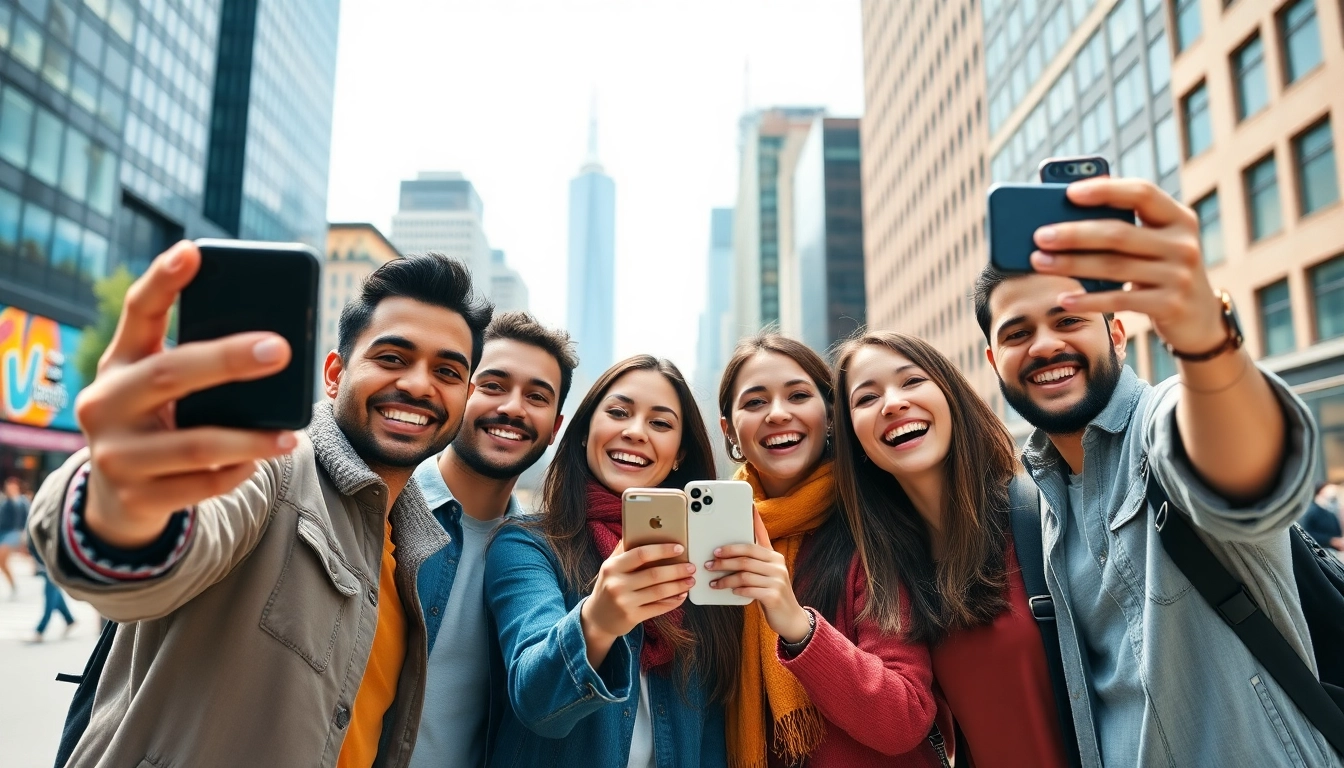
- Selfie Sticks: Once a craze, selfie sticks helped users capture wider angles and group selfies.
- Filters and Effects: The rise of editing apps has led to a culture of beautified selfies, often focusing on airbrushed skin or over-the-top effects.
- Social Media Platforms: Platforms like Instagram and Snapchat shaped the kind of selfies shared, emphasizing aesthetic appeal and storytelling.
Common Mistakes to Avoid
Even the most seasoned selfie-takers can fall into traps. Here are common mistakes to avoid:
- Bad Lighting: Avoid harsh shadows or poorly lit environments, which can mar your image quality.
- Overusing Filters: Filters can enhance, but overdoing it can distort your natural appearance.
- Poor Angles: Selfies taken from below can result in unflattering perspectives, while taking pictures from above is often more flattering.
- Cluttered Backgrounds: A busy background can distract from the subject—yourself. Choose simple, clean surroundings.
Technical Aspects of Taking Selfie
Best Camera Settings for Selfie
Using the right camera settings is critical for capturing high-quality selfies. Here are a few essential tips:
- Resolution: Always select the highest resolution available; it ensures that your selfies are crisp and clear.
- Adjust for Color: Modify the white balance settings to match the lighting condition; this will help create realistic skin tones.
- Use Portrait Mode: This feature blurs the background to focus on the subject, adding depth to your selfies.
Utilizing Natural Light Effectively
Natural light can transform a mundane selfie into a masterpiece. Here are some strategies to harness its power:
- Time of Day: The golden hour—shortly after sunrise or before sunset—provides a warm, flattering light.
- Positioning: Face towards the light source but avoid glaring sunlight that can lead to squinting.
- Shadow Play: Use shadows to create depth and character in your selfies.
Smartphone vs. Camera: Which is Better?
The debate between using a smartphone or a dedicated camera for selfies often boils down to personal preference and context:
- Smartphones: Offer convenience, portability, and a variety of built-in editing features. They're perfect for spontaneous selfies.
- Cameras: Typically have superior image quality and allow for manual settings and adjustments, making them beneficial for planned photoshoots.
Creative Techniques to Enhance Selfie
Angles and Perspectives that Work Best
Choosing the right angle is essential to showcase the best features of your face. Here are some effective angles:
- High Angle: Shooting from above tends to highlight cheekbones and is generally flattering.
- Eye Level: This is a neutral angle; use this for a straightforward and authentic look.
- Low Angle: While generally less popular, it can give a unique perspective, making the subject appear more engaged.
Incorporating Props and Backgrounds
Enhancing your selfies can be achieved by adding elements that tell a story. Consider:
- Fashion Accessories: Hats, sunglasses, or jewelry can add flair to an otherwise simple selfie.
- Environmental Context: Selecting a meaningful or beautiful background enhances the storytelling aspect.
- Physical Objects: Items like books, musical instruments, or hobbies can evoke personal narratives.
Using Filters and Editing Apps
Editing apps offer a plethora of options to enhance selfies effectively. Here are some popular techniques:
- Basic Adjustments: Utilize features to enhance brightness, contrast, and saturation for an eye-catching image.
- Color Grading: Apply tones to evoke moods; for instance, warmer tones can create a cozy atmosphere.
- Virtual Makeup: Some apps allow for applying cosmetic effects, which can be particularly appealing in selfies.
Showcasing Selfie on Social Media
Choosing the Right Platform for Your Selfie
Different social media platforms cater to varying aesthetics and audiences. Your choice should reflect your style and intent:
- Instagram: Best for visually-driven content, favoring high-quality images and creative aesthetics.
- Snapchat: Focuses more on spontaneity and instant sharing, often utilizing fun filters.
- Facebook: Gives a more personal touch, suitable for sharing selfies with friends and family.
Hashtags and Engagement Strategies
Hashtags are crucial for getting your selfies seen by a broader audience. Here are strategies to maximize engagement:
- Relevance: Use hashtags that connect with the content of your selfie and your target audience.
- Trending Tags: Keep an eye on current trends; incorporating popular tags can increase visibility.
- Encouraging Interaction: Pose questions or fit your caption to invite comments and interactions, enhancing engagement.
When to Post for Maximum Impact
The timing of your post can significantly affect its reach. Consider the following:
- Peak Times: Post when your audience is most active. Generally, evenings and weekends see higher engagement.
- A/B Testing: Experiment with different posting times to see when you receive the best engagement.
- Seasonal Trends: Capitalize on holidays and events when people are more inclined to participate on social media.
Measuring the Impact of Your Selfie
Analyzing Engagement Metrics
Understanding the impact of your selfies involves analyzing key metrics:
- Likes and Comments: Track which selfies resonate more with your audience based on interactions.
- Shares: Shares can indicate a higher level of engagement and interest in your content.
- Follower Growth: Analyze whether your selfies contribute to an increase in followers after posting.
Adjusting Your Approach Based on Feedback
Utilize your analytics to inform your strategy. By observing:
- User Comments: Address feedback, which can provide valuable insight into what your audience enjoys.
- Post Performance: Adjust the style, content, or timing of your selfies based on what delivers better results.
Building a Personal Brand Through Your Selfie
Selfies can significantly contribute to your personal brand, acting as a representation of your identity. Key aspects to consider include:
- Consistency: Maintain a coherent style or theme in your selfies to help establish your personal brand.
- Storytelling: Use your selfies to communicate your journey or showcase aspects of your life that define you.
- Engagement: Building a personal brand also involves connecting with your audience, which can be achieved through authentic interactions.
Frequently Asked Questions
What is the best time of day to take a selfie?
The golden hour, shortly after sunrise or before sunset, offers the best natural lighting for flattering selfies.
How can I improve my selfies without expensive equipment?
Utilize natural lighting, experiment with angles, and use free editing apps to enhance your selfies significantly.
What are some popular selfie poses?
Common poses include candid smiles, looking away from the camera, or playful facial expressions for a vibrant touch.
Are filters necessary for selfies?
No, filters aren't necessary; the best selfies often highlight natural beauty. Use them sparingly to enhance rather than alter.
How do I choose the right background for my selfies?
Select backgrounds that complement rather than distract from your subject. Simple, clean settings work best.